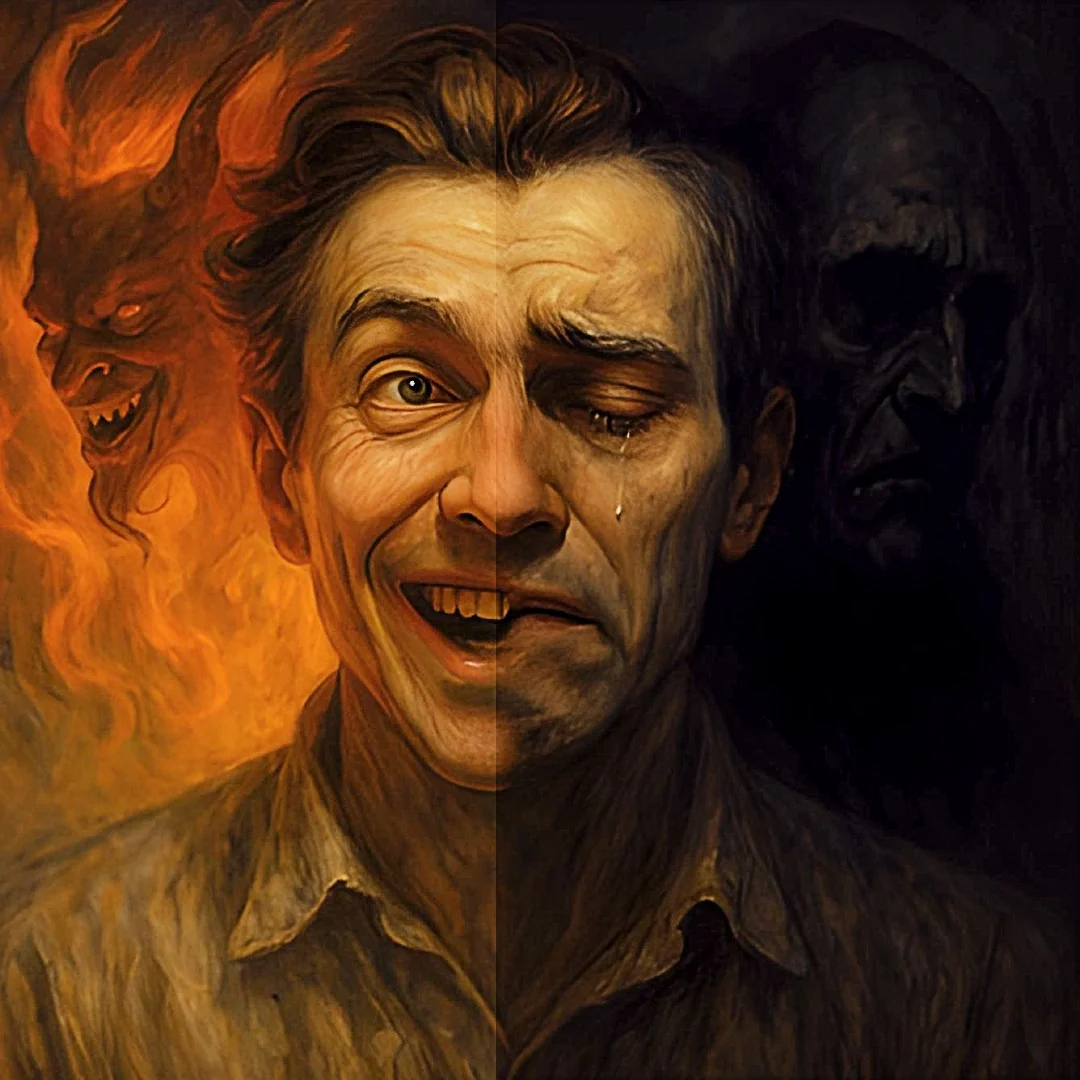
For centuries, humanity has been mystified by a peculiar illness that pulls the soul between light and darkness, from ecstatic highs to crushing lows. It can feel like a battleground where two forces inhabit one body—this is bipolar disorder Bipolar Disorder. In ancient times, it was known as cyclical madness: a condition that makes someone laugh uncontrollably, only to collapse into tears moments later; to display bursts of creativity one moment and be laid low by despair the next.
Between Mania and Depression
Bipolar disorder is marked by extreme mood swings. In manic episodes (Mania), a person may experience an excess of energy, racing thoughts, impulsiveness, and unrealistic confidence. These highs are followed by deep depressive phases (Depression) filled with sadness, loss of motivation, and sometimes suicidal thoughts. In some cases, these cycles flip rapidly—sometimes within the same day—making the person feel as if they're trapped between two opposite worlds, unable to find steady ground.
These unpredictable shifts once led people to believe the illness was a struggle between spirits: one of light, bringing inspiration, and a darker force sowing sadness and insanity.
How Did Ancient Cultures Understand This Disorder?
Before psychiatry, bipolar disorder wasn't identified as an illness but as a manifestation of supernatural forces.
The Greeks and Romans
Hippocrates and Aristotle described those who experienced these swings as touched by “divine madness,” visited by spirits that alternately brought inspiration, poetry, and vision (creative mania), and plunged them into the darkness of “melancholia” (black depression).
Philosophers believed that madness walked hand-in-hand with genius, suggesting true creativity lay beyond the limits of reason.
In the Bible
In the Book of Samuel, King Saul is said to be tormented by an “evil spirit” that made him restless and sad, only to be soothed when David played music for him—a striking description of mood swings.
Medieval Christian Europe viewed such conditions as either demonic possession or a divine trial, often treating those affected with prayers and rituals.
In Islamic Culture
In classical Arabic and Islamic traditions, there was little distinction between epileptic seizures and mental disorders—both were attributed to jinn.
Physicians like Ibn Sina (Avicenna) and Al-Razi described cases similar to bipolar disorder under melancholia, noting that “melancholia may sometimes shift to mania”—that is, to frenzied activity and madness.
Popular belief held that someone whose mood flipped suddenly was inhabited by jinn: a fiery jinn could trigger mania, while an earthbound spirit could dampen them with sadness. Sufi thinkers saw it as an inner struggle between light and shadow—a spiritual test in the quest for divine union.
The Four Humors: An Ancient Theory
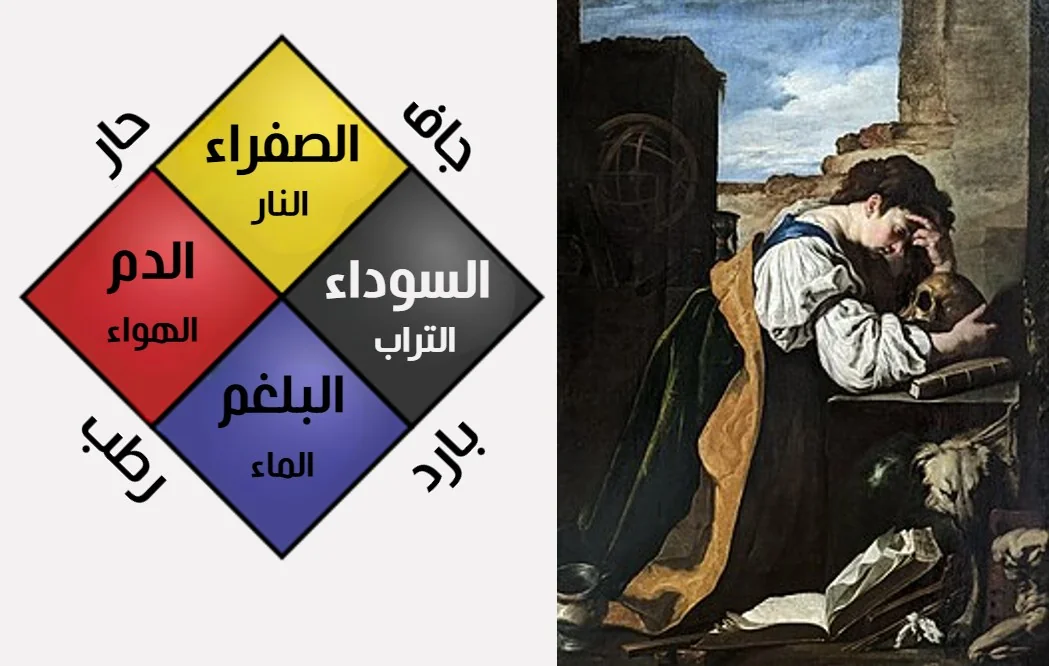
In ancient medicine—especially Greek and medieval Arabic thought—people believed that human health and temperament depended on the balance of four bodily humors: blood, phlegm, yellow bile, and black bile. Each humor was linked to one of the four elements: air, water, fire, and earth. Good health was thought to reflect perfect balance; disease was the result of imbalance.
When black bile (cold and dry, associated with earth) dominated, it caused what they called melancholia: deep sadness, irrational fears, and obsessive thoughts.
If yellow bile (hot and dry, linked to fire) was in excess, it sparked mania: overexcitement, restlessness, and uncontrollable energy, throwing a person out of balance emotionally and mentally.
Ancient doctors explained the clash between melancholia (depression) and mania as opposing symptoms of a single disruption in humoral balance: coldness pulling the soul into sadness, heat casting it into madness.
Types of Bipolar Disorder
Modern medicine recognizes three main types of bipolar disorder:
Type I Bipolar I
Characterized by intense manic episodes, sometimes leading to a break from reality, followed by severe depression. This is the most dramatic and dangerous form.
Type II Bipolar II
Involves milder mania (hypomania) but longer and heavier periods of depression.
Cyclothymia Cyclothymia
Chronic mood swings that persist for years, though they aren’t as severe as the previous two types.
Mood episodes may alternate over weeks, days, or even within a single day, a pattern known as rapid cycling Rapid Cycling.
Famous Faces Who Lived with Bipolar Disorder
Throughout history, many geniuses and artists who shaped human civilization have lived with this condition. In some ways, it seemed to offer them a glimpse into worlds others could not see:
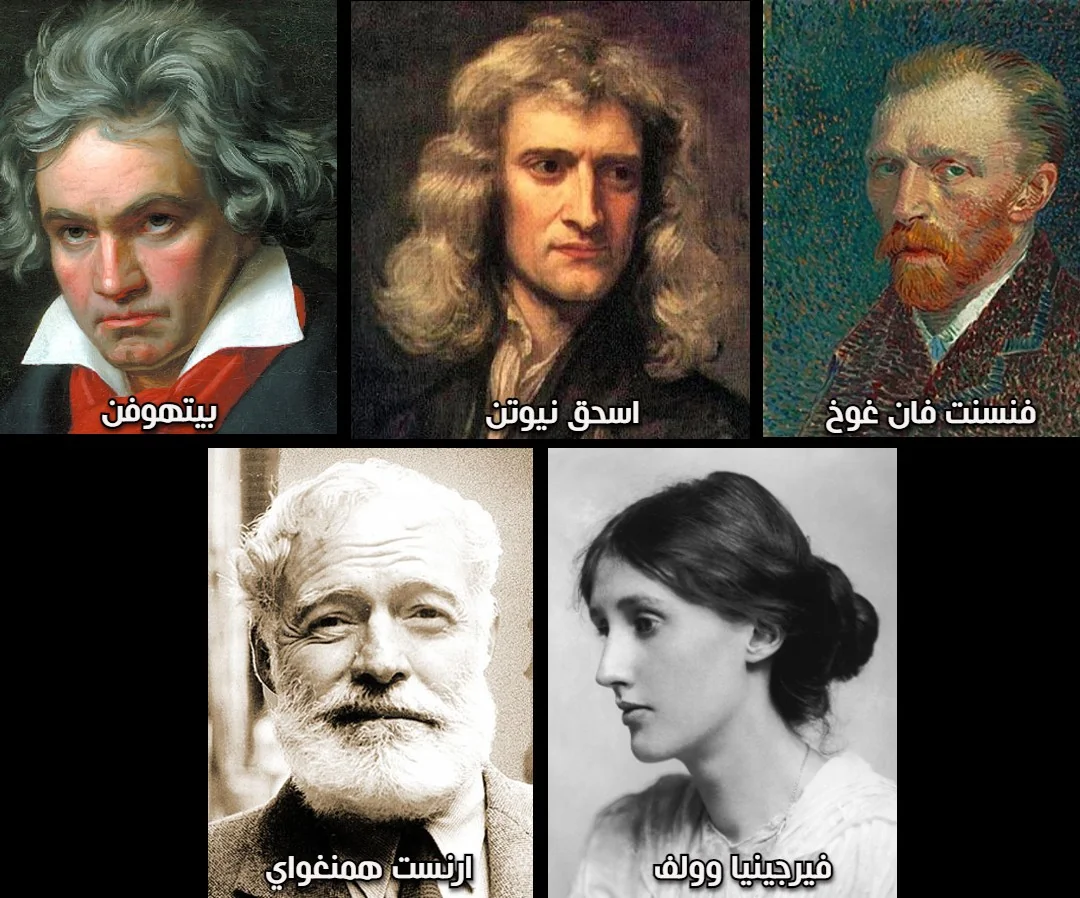
Vincent van Gogh
He experienced episodes of creative mania, painting masterpieces like Starry Night, and then plunged into the depths of depression that ultimately claimed his life.
Ernest Hemingway
He swung between intense energy, creative outpourings, and crushing depression—a cycle that ended in suicide.
Virginia Woolf
Her writing echoed her inner struggle—a tension between the light of thought and the shadow of despair.
Beethoven
His stormy music is a reflection of his recurring mood swings, moving between exhilaration and hopelessness.
Isaac Newton
His journals revealed periods of intense mania followed by long spells of deep depression.
In the Arab world
Stories about some poets and mystics suggest similar experiences, though these were often interpreted as spiritual rapture or a state of divine ecstasy.
Modern Scientific Understanding: A Battle Inside the Brain
Today, medicine no longer views bipolar disorder as madness, but rather as an imbalance in brain chemistry, particularly affecting neurotransmitters such as:
- Dopamine (increases during mania)
- Serotonin and norepinephrine (decrease during depression)
Recent studies also link the disorder to:
- A strong genetic predisposition (genes involved in regulating neural signals).
- Disruption of daily rhythms—sleep and hormones.
- Changes in activity of the prefrontal cortex and amygdala, the brain's emotion and decision-making centers.
Simply put, the brain loses its balance, swinging between electrical hyperactivity and lethargy—as if a light switch is stuck between on and off.
Modern Treatments: From Mysticism to Medicine
While there is still no complete cure, medical advances have greatly improved management of the disorder:
1. Medication
- Lithium: The gold standard in mood stabilization since the mid-twentieth century.
- Valproate and carbamazepine: Anti-epileptic drugs used for mood stabilization.
- Newer antipsychotics: Help reduce manic or psychotic episodes.
2. Psychotherapy and Behavioral Therapy
Cognitive behavioral therapy (CBT) helps patients identify and restructure harmful thought patterns, while psychoeducation (psychoeducation) supports families in understanding the disorder and offering support instead of stigma.
3. Lifestyle
Maintaining regular sleep, avoiding alcohol and stimulants, daily exercise, and balanced nutrition all help minimize relapse risk. Recent research shows that patients who follow treatment and routines can lead completely normal lives.
Between Myth and Medicine
Humanity has come a long way in understanding this disorder—once seen as demonic possession or a divine touch, now recognized as a disruption in neural circuits. Yet some mystery remains: how can electrical misfires in the brain create timeless poetry and art? Perhaps bipolar disorder is more than an illness; it offers a window into the duality of existence itself—light and darkness, creativity and madness, death and life, all within a single human being.
In the end, bipolar disorder is neither a curse nor a blessing—it's a test of balance between opposing forces within us. When that balance falters, it can give rise to madness, to art, or sometimes both at once.
About the Author



No comments:
Post a Comment