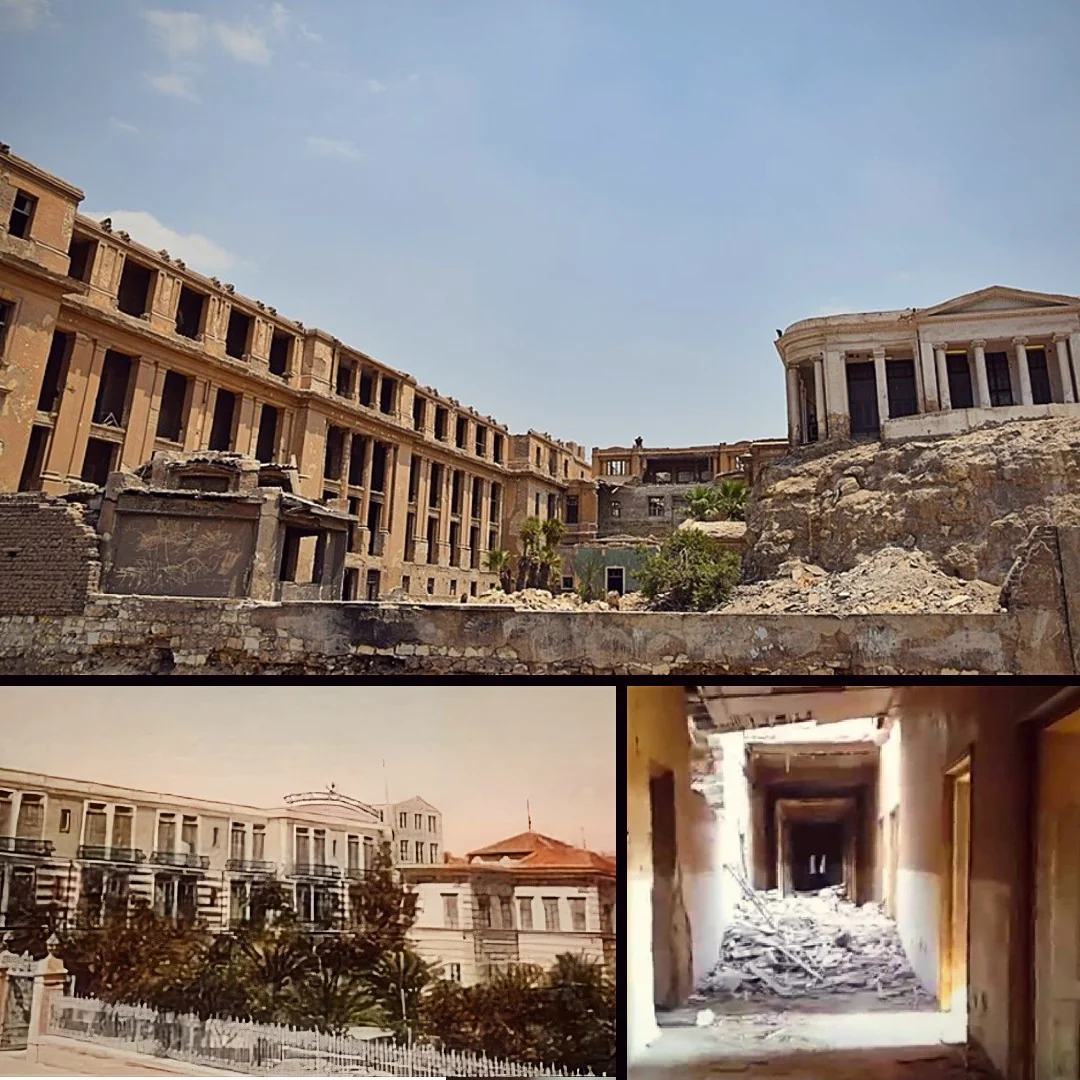
In the heart of Old Cairo, along the Nile in the historic district of Helwan, stands an abandoned building that has fueled local unease for decades. Once a grand royal palace, Helwan Morgue now serves as the setting for chilling ghost stories and mysterious phenomena that have left both residents and internet sleuths baffled.
From Royal Palace to Morgue
The building dates back to 1888, when Khedive Tawfiq commissioned a majestic residence known as Ain Al-Hayat Palace, surrounded by sprawling gardens with breathtaking Nile views. After the 1952 revolution, the palace was nationalized and briefly converted into the Ain Al-Hayat Hotel, before later becoming the morgue for Helwan General Hospital.
A series of tragic events—including the 1992 earthquake and a massive fire on the upper floor—brought its official use to an end. Since then, the site has been locked and left to decay, inhabited only by bats and memories, as legends began to take hold.
The Birth of a Legend
According to local accounts, tales started circulating in the 1990s soon after the morgue was shut down. Some passersby spoke of mysterious whispers or muffled moans drifting from shattered windows, while others claimed to see faint lights flickering inside the building at midnight.
One widely told story involves a group of youths who entered the morgue one night seeking adventure but fled in terror when "the doors vanished" and footsteps echoed behind them in the darkness. Although there is no evidence to substantiate the account, it became the foundation for the legend of the "Haunted Helwan Morgue."
A local resident described the atmosphere in an on-camera interview: "We used to hear muffled screams, and sometimes laughter out of nowhere, especially on cold nights. The place has an unsettling aura—it's as if the air itself is heavy."
YouTube Videos and Online Explorers
With the rise of social media, the morgue became an unofficial destination for horror enthusiasts. Dozens of YouTube and TikTok videos documented nighttime visits, capturing eerie sounds and footsteps echoing through the dark halls.
One of the most popular clips features an Egyptian adventurer nervously clutching a thermal camera, whispering, “Look! There’s movement behind me… I swear I hear breathing, really close.”
While some videos show obvious use of special sound and light effects, they have only fueled the legend, securing Helwan Morgue’s status among the “most haunted places in the Arab world.”
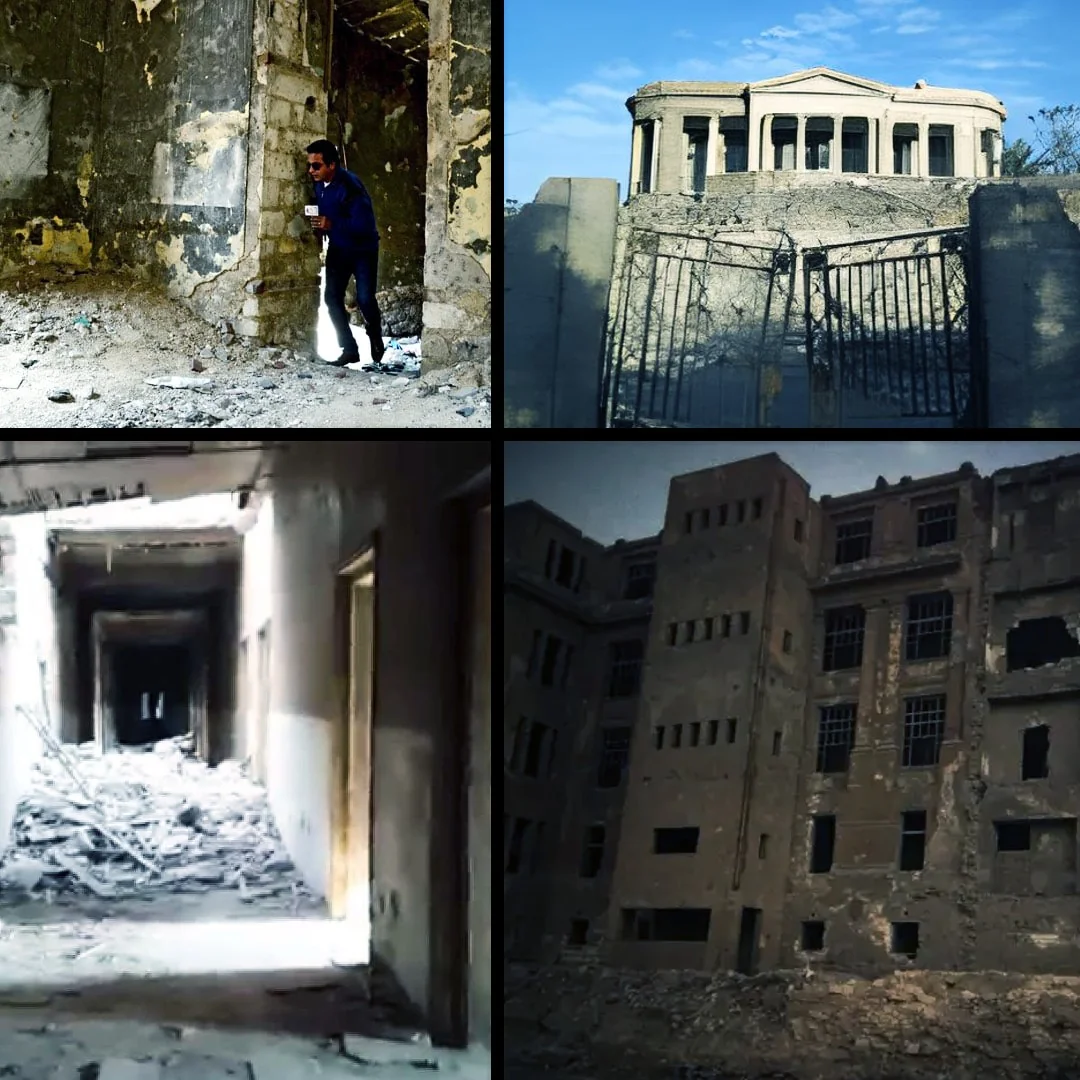
Were these late-night expeditions by YouTubers and thrill-seekers genuine attempts to capture ghosts on film, or simply a way to follow in the footsteps of a decades-old legend that invites curiosity more than it offers answers?
Driven by curiosity and imagination, the question remains: were they searching for concrete evidence, or chasing the adrenaline rush that comes with a good scare?
Media Coverage: Between Investigation and Sensation
Egyptian news outlets have tackled the story in reports and TV segments. Notably, the 'Fathy Show' on Youm7 channel featured a team entering the abandoned building, capturing footage of its shadowy hallways and crumbling walls. The segment struck a balance between fact and folklore, noting that “local tales have done more than actual oddities to make this place famous.”
News websites like Masrawy and Sada El-Balad published articles titled “Helwan Morgue… the Capital’s Urban Legend,” discussing “rumors spread by thieves to keep people away” and the site’s evolution into a “monument of popular fear.”
The morgue’s reputation has reached far beyond Egypt.
It has even been featured on sites like:
Egyptian Streets: “Once a royal residence, then a morgue—some now claim the spirits of the dead still linger there.”
Wanderlusting: “A beautiful palace built for King Farouk became a terrifying site; locals describe glimpses of mysterious lights and strange sounds.”
Ask Aladdin (tourism site): “One of Egypt’s most haunted locations, believed to attract ghosts after dark.”
Vocal Media: “Helwan Morgue… a haunting relic of Egypt’s royal past.”
Though generally written for entertainment, these articles sparked the interest of bloggers covering dark tourism and “the world’s scariest places.”
Scientific and Psychological Perspectives
Scientifically, there’s no physical evidence for supernatural activity at Helwan Morgue. Psychologists suggest mass suggestion plays a significant role—just entering an infamous site can prime visitors’ minds to interpret shadows and sounds as ghostly.
From a religious perspective, scholars from Al-Azhar warn against accepting such stories without proof, explaining that “spirits do not haunt abandoned places except by God’s will, and fear and imagination create more ghosts than actually exist.”
A paranormal researcher explains:
“The reported phenomena at Helwan Morgue reflect a mix of folklore and self-suggestion. At heart, it’s as much a psychological experience as a paranormal one.”The Power of Place and Suggestion
As a morgue, the building was the final destination for the dead, permeated with the scent of formaldehyde and heavy silence. Places so intimately connected with death naturally evoke deep psychological responses—our minds instinctively link them with dread and mortality.
With the morgue now deserted, its lighting dim and walls decaying, the effect is magnified. Every echo or gust of wind becomes a moan or whisper; every flicker in the darkness, a fleeting apparition.
Why Does the Legend Persist?
The real allure lies in the place itself, radiating a mysterious kind of magnetism. The building checks all the boxes for classic horror: an old mansion, scorched walls, tales of the dead, and years of neglect that have let plants creep across its windows.
All of this makes it a powerful symbol where history meets the unknown—a perfect backdrop for confronting humanity’s fears of death, darkness, and emptiness.
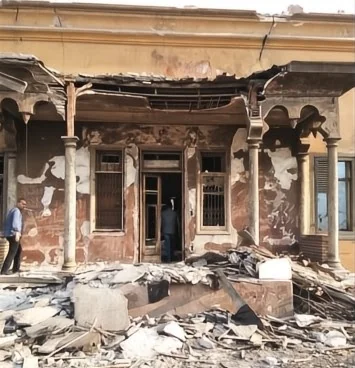
In the end, whether or not 'Helwan Morgue' is truly haunted, it has become one of Egypt’s most iconic sites of urban legend. Its stories blur the line between fact and myth, reflecting our timeless urge to explain the unexplainable and showing how a single location can transform from royal palace to living legend, passed through generations.
Maybe it isn’t haunted by ghosts, as some claim…
But what’s certain is that the fear it has inspired in people’s memories won’t fade away any time soon.
About the Author



No comments:
Post a Comment