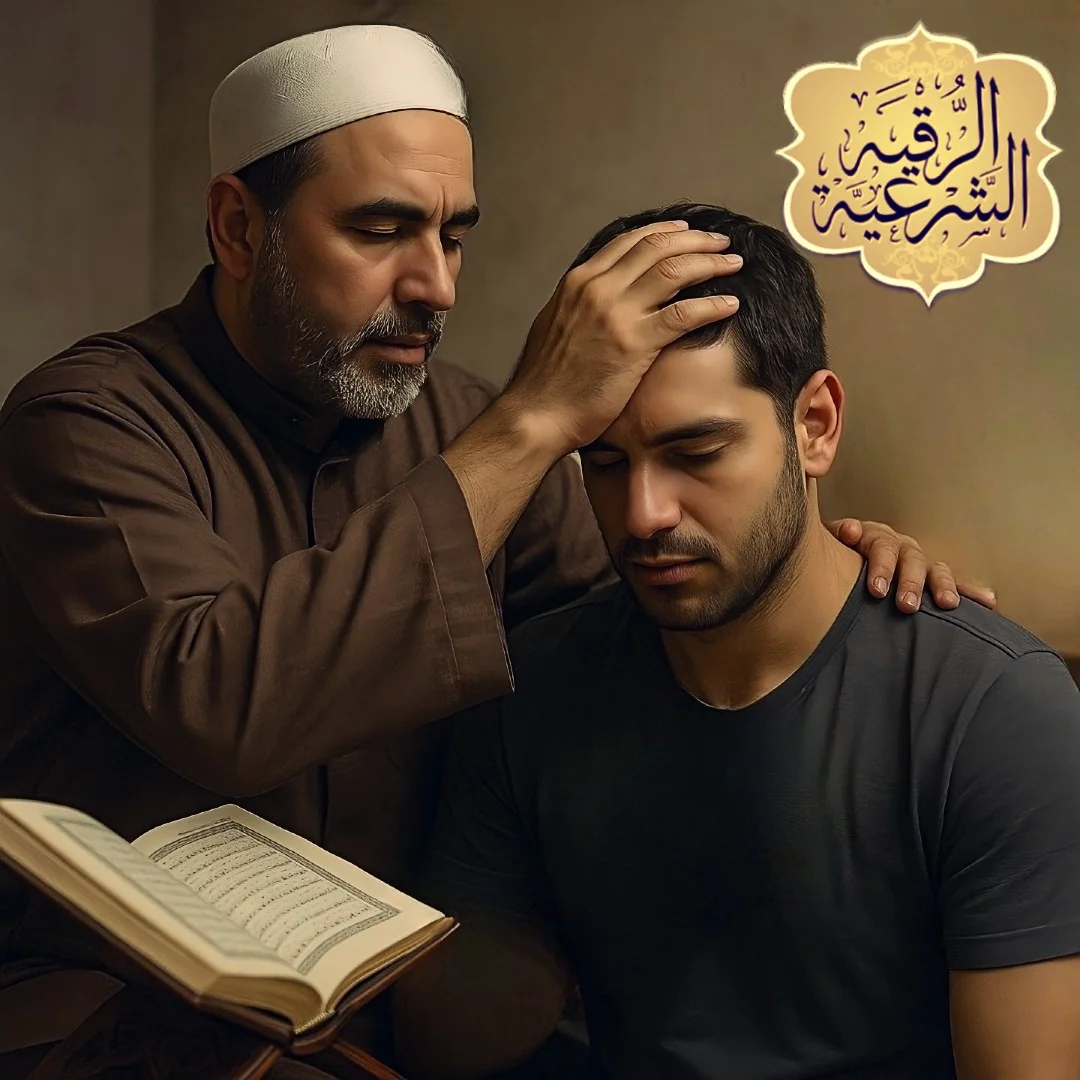
Ruqyah is one of the oldest forms of spiritual healing in Islam, created to empower believers when faced with illnesses or issues beyond medical explanation. It isn't a mysterious ritual or a magical practice; rather, it involves the recitation of verses from the Quran and authentic prophetic prayers, offered with the sincere intention of healing and protection. envy the evil eye, sorcery, demonic possession, and other forms of unseen harm.
Islamic teachings allow ruqyah as long as it uses Quranic verses or clearly understood prayers, contains no elements of polytheism or calls for help from anyone besides God, and is performed with the belief that healing is ultimately from God alone. The Prophet Muhammad ﷺ said: “Show me your ruqyah. There is nothing wrong with ruqyah so long as it contains no shirk (polytheism).” Based on this guidance, a rich body of knowledge and experience has developed around ruqyah, from the earliest generations to the present day.
Types and Uses of Ruqyah
1- Ruqyah Against the Evil Eye and Envy
The evil eye and envy are among the most common afflictions people face in our societies—subtle, psychological effects caused by a look of malice or excessive, unblessed admiration. Ruqyah is recited with the goal of protection and relief, including Surah Al-Fatihah, Al-Ikhlas, Al-Mu'awwidhatayn, and Ayat Al-Kursi, often with gentle breathing over the person being treated or over water for bathing.
It is also recommended to use the prophetic prayer: “I seek refuge in the perfect words of Allah from every devil and every poisonous thing and from every envious evil eye.”
If the person suspected of causing the harm is known, it is recommended to bathe the affected person with water used by the one who gave the evil eye, as the Prophet ﷺ did when Sahl ibn Hunayf was afflicted by the eye of ‘Amir ibn Rabi’ah.
2- Ruqyah Against Sorcery and Black Magic
Sorceryin Islamic belief is a forbidden act in which the practitioner seeks the help of evil forces to harm others, and is considered a major sin. Types of sorcery include spells intended to break up marriages, block success, or cause illness and obsession.
Black magic represents the most dangerous form, involving blasphemous rituals and offerings of impurity to malevolent beings. Treating sorcery relies exclusively on the Quran, especially verses addressing magic in Surahs Al-Baqarah, Al-A’raf, Yunus, and Taha.
These verses are recited over the afflicted person or over water that is drunk or used for bathing. Additional remedies may include adding dried sidr leaves or coarse salt to the water, and applying olive oil that has had ruqyah recited over it. This should be continued until symptoms disappear.
Seeking help from magicians—or breaking sorcery with counter magic—is never allowed, as this is considered a grave sin. True healing comes from turning back to God, patience, faith, and strict avoidance of forbidden acts.
3- Ruqyah Against Demonic Possession
This refers to spiritual affliction by jinn, sometimes caused by sorcery, oppression, or strong desire. The majority of scholars affirm that jinn can possess humans, citing Quranic verses and authentic traditions.
In such cases, ruqyah is recited aloud in an environment filled with faith and remembrance. Surahs As-Saffat, Al-Jinn, and Al-Baqarah, along with verses warning of punishment, are used repeatedly. Adhan (the call to prayer), declaration of faith, and seeking refuge in God are emphasized, reminding any possessing entity of God’s punishment and justice.
Those performing ruqyah should use wisdom, avoid excessive force or violence, and focus on healing rather than revenge. Most importantly, patients should protect themselves through consistent remembrance, ritual purity, prayer, and daily supplications—the closer a person is to God, the weaker any demonic influence becomes.
Ruqyah Against the Possessive Jinn
Cases involving so-called possessive jinn are a frequent topic during ruqyah sessions. This refers to a jinn becoming attached to a human out of desire or jealousy, causing disturbing dreams, psychological distress, or aversion to marriage.
Treatment is similar to other cases of possession: ruqyah, ritual purity, remembrance, avoiding isolation, consistent nightly prayers, and recitation of Surah Al-Baqarah at home.
Women afflicted by this are advised to perform ruqyah themselves, seek help from a pious woman, or have a male family member present. If a male stranger performs ruqyah, strict guidelines must be followed: no seclusion, no physical contact, and a family member must be present.
Scholars have strongly condemned anyone claiming to expel jinn by touching or engaging in illicit acts with women—the Quran does not permit any form of disobedience in the name of healing. Anyone doing this under the guise of ruqyah is a fraud and should be held accountable.
Common Tools Used in Ruqyah
While the core of ruqyah is the spoken word and sincere intention, scholars have allowed certain physical elements to enhance its effect, including:
Quran-infused water
The Quran is recited over the water, which is then either drunk or used for washing. Care should be taken not to pour it in an unclean place. It is recommended to use Zamzam water or any clean, pure water.
Olive oil
The Quran is recited over the oil, then it is used to anoint the body in the morning and evening. It is especially effective in cases of spiritual affliction or envy (hasad), and it is mentioned in the Hadith: “Eat olive oil and apply it, for it is from a blessed tree.”
Fresh sidr (lote tree) leaves
Seven green leaves are pounded and mixed with water over which the Quran is recited. Some of the mixture is drunk, and the rest is used for washing. This method is known for breaking spells.
Musk and pleasant scents
These are recommended because demons are repelled by good fragrances. White or black musk is often used after Quranic recitation, particularly in cases involving intrusive spirits.
Fragrant incense
While not a remedy in itself, incense is sometimes burned to freshen the air during ruqyah sessions, without believing it has any magical properties.
Using talismans, blood, or unknown incenses is strictly forbidden and considered sorcery, not legitimate spiritual healing.
The psychological and scientific aspects of ruqyah’s effectiveness
Spiritual healing does not work in isolation from the human psyche. In times of distress, anxiety, or trauma, faith and remembrance act as a powerful psychological remedy.
Scientifically, suggestion and belief in healing can trigger neurological and hormonal responses that strengthen the immune system and reduce stress. Listening to the Quran recited with reverence can regulate breathing and induce a state of relaxation similar to therapeutic hypnosis, which eases pain and calms the nerves.
The ruqyah session itself offers social and emotional support; the patient feels cared for and prayed over. This experience recharges them with positive energy that aids recovery.
Psychiatrists often note that some cases resolved by ruqyah were not true cases of possession, but psychological disorders expressed through physical symptoms. Here, the Quran serves as a cognitive and spiritual therapy, restoring balance between reason and faith.Ruqyah and provoking negative energy
Practitioners know that the early stages of spiritual healing can be challenging, as Quranic recitation may initially disturb negative energies or harmful spirits attached to the person. Symptoms may temporarily worsen – sudden depression, nightmares, or feelings of suffocation during sleep. These reactions are not signs of failure, but rather indications that the treatment is starting to break the subtle binds caused by spiritual harm.
That’s why practitioners advise persistence and patience, not stopping because of these temporary manifestations. Healing is gradual; over time, these disturbances subside and a sense of inner peace returns. Just as the body struggles to expel toxins, spiritual liberation from harm often involves an initial period of resistance before balance and tranquility are restored.
Abuses and exploitation in the name of spiritual healing
As the demand for ruqyah has increased, some have exploited the practice for profit or personal gain. Certain practitioners mix ruqyah with forbidden practices, using talismans, asking for mothers’ names, and selling water or oils at absurd prices.
Most concerning is the sexual abuse of women under the pretense of treating so-called “possessive spirits” or offering “special healing.” Media outlets in the Arab world and beyond have reported dozens of cases where women were harassed or assaulted by those claiming to be healers.
The deception typically starts by diagnosing the woman with “spirit possession,” then escalating to requests for private sessions or physical contact, which can end in outright abuse. What was supposed to be healing thus becomes a horrific crime done in the name of faith.
Awareness among women and society is the first line of defense. No woman should visit a practitioner alone; there should always be a male guardian or female companions. Sessions must be held in known, public locations, not behind closed doors.
Authorities—both religious and civil—must regulate the profession and hold abusers accountable. Exploiting people in the name of the Quran is unacceptable.
Balancing ruqyah and modern psychology
It is a mistake to see spiritual healing as a replacement for medical care. Both scripture and wisdom urge seeking treatment alongside prayer and remembrance. Mind and spirit are interconnected; just as the body needs medical attention, the soul needs faith and tranquility.
Sometimes, spiritual healing alone offers relief. In other cases, medical or psychological care is essential. Conditions like depression, OCD, and anxiety require medication and behavioral therapy, but ruqyah can help ease stress and bolster patience and hope.
Serious physical illnesses also require hospital treatment. While prayer and ruqyah can support recovery, they cannot replace medical intervention.
Balance is key: we should use all available means, both physical and spiritual, trusting that healing comes from God through any path He wills.
In conclusion, spiritual healing offers peace and reassurance, reminding us that ultimate recovery comes from God alone. It reflects the harmony between faith and science: just as medicine treats the body, ruqyah soothes the soul through the Quran.
This sacred practice, however, requires knowledge and integrity—not ignorance or exploitation. Many sincere healers have helped the suffering, while charlatans have disgraced the practice with greed and fraud.
It is crucial for every Muslim to understand and discern—turning to ruqyah when appropriate, seeking medical help when needed, and always keeping their trust in God.
This process beautifully unites belief and reason, prayer and medicine, the spiritual and the physical, reflecting Islam’s wisdom in the pursuit of complete healing for the human being.
About the Author



No comments:
Post a Comment