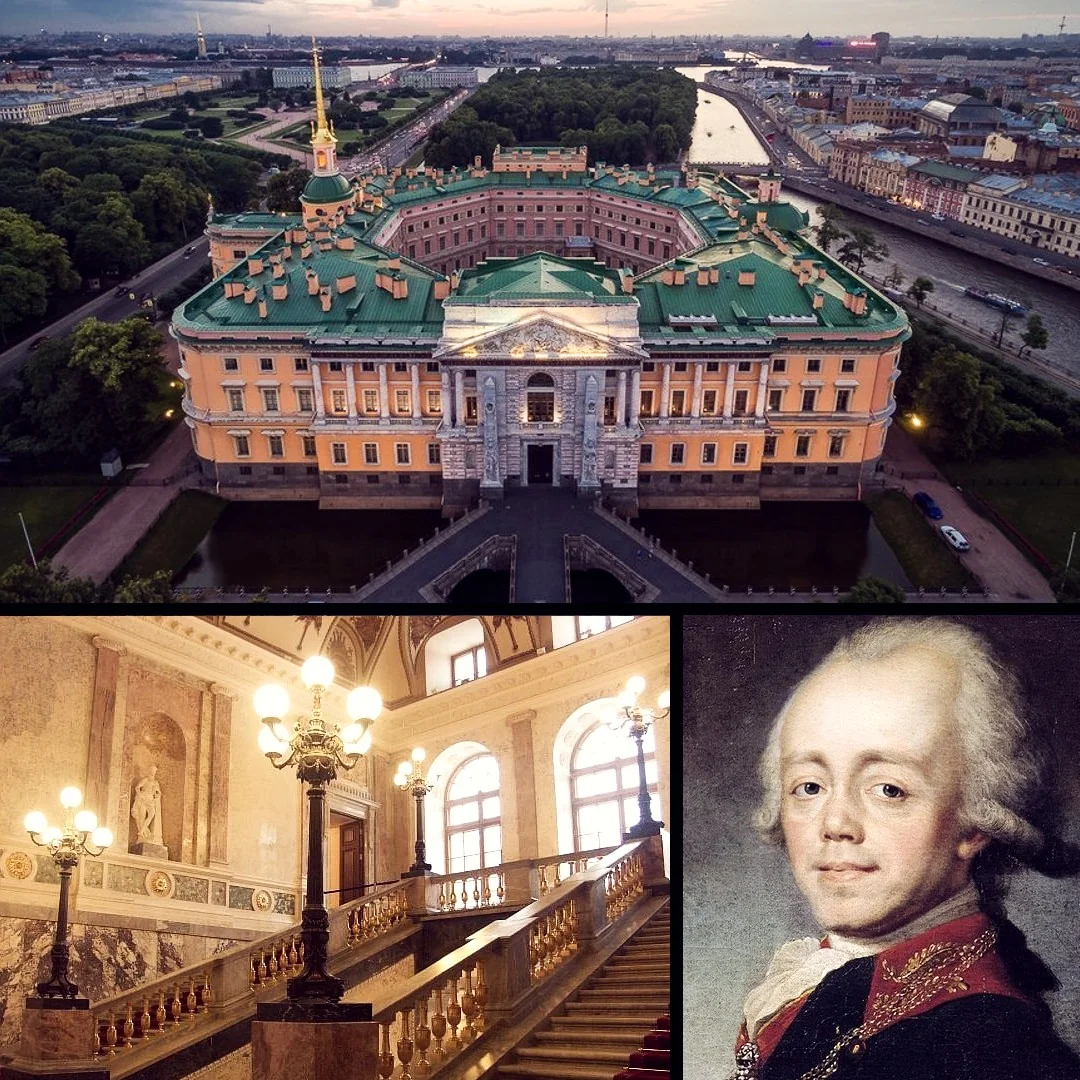
In the heart of St. Petersburg, on a small island crisscrossed by the Moika and Fontanka rivers, the Mikhailovsky Castle rises with imposing elegance—a monument where grandeur, assassination, and legend converge. This is far more than a royal residence; it’s a living memory, infused with fear of conspiracy, imperial paranoia, and a history that blurs into the supernatural.
A Palace Born of Fear
The castle was constructed between 1797 and 1801 at the behest of Emperor Paul I, son of Catherine the Great. Haunted by anxieties and terrified of assassination, Paul viewed the old palaces of St. Petersburg as traps waiting to spring. Determined to shield himself, he ordered the construction of a fortress surrounded by water, equipped with drawbridges and Gothic-inspired Italian watchtowers.
The project became a symbol of his isolation—not just an architectural marvel, but a fortress built to ward off threats that lurked inside the imperial household itself. In a cruel twist of fate, however, the very walls erected for his safety would also be the site of his demise.
Assassination and the Birth of a Legend
In the early hours of March 12, 1801, officers from Paul’s own guard stormed the castle and strangled him in his bed, the room dimly lit by candlelight. Paul died before his fortress ever officially opened its doors. His violent end sent shockwaves through the Russian court, and the castle became a symbol of sudden death and treacherous fate.
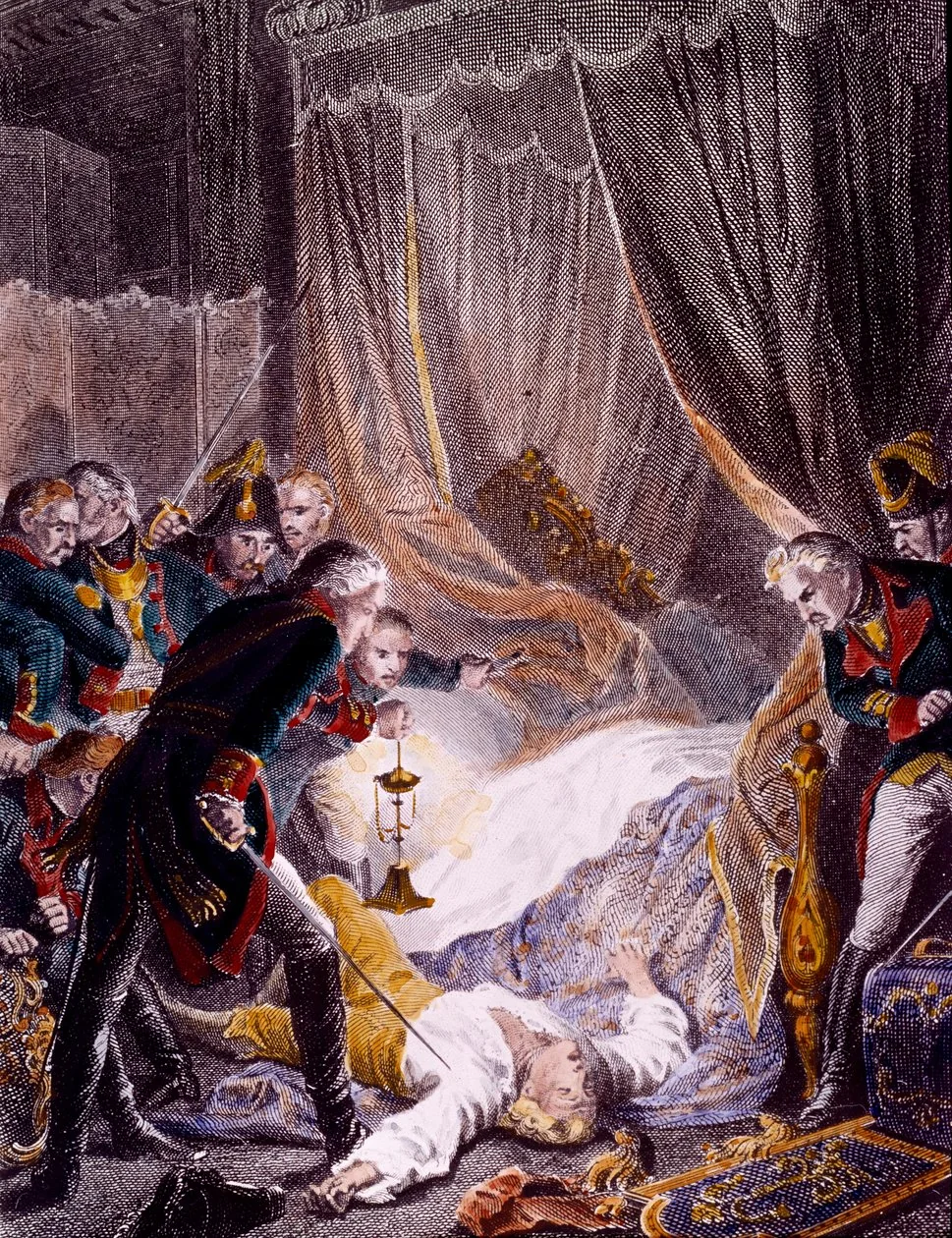
After the assassination, the imperial family abandoned the palace, believing it was cursed by blood. Stories soon spread of mysterious sounds echoing through the corridors, unexplained lights flickering on grand staircases, and fleeting shadows passing before the windows when moonlight reflected off the surrounding water.
A Haunted Memory
Locals say Paul I’s spirit still wanders the halls each night, a candle in hand, as if searching for the traitors who betrayed him.
On certain March nights, guards report hearing doors creak open and close on their own, as though the castle is replaying its tragic past once again.
Another story tells of a 'staircase leading to a floor that doesn’t exist.' Somewhere in the north wing, visitors describe a hidden passage ending at a stone door that sometimes appears, sometimes vanishes. Many claim this space distorts their sense of time and place—a strange zone of shifting energy.
In Russian folklore, the castle is often called the 'Island of Spirits,' its encircling waters separating it from the city, leaving it suspended between worlds: the realm of the living, and that of restless souls searching for peace.
Social and Psychological Dimensions
The saga of the castle reveals how history turns to legend when personal terror merges with collective memory. Paul’s obsession with betrayal—his relentless distrust of everyone around him—embodied a deep-rooted fear that soon seeped into the nation’s consciousness during an era rife with coups and conspiracies. The castle came to symbolize this inward imperial dread—not of foreign enemies, but of treachery from within.
From a psychological perspective, the legend represents a kind of collective projection. For many Russians, the emperor’s ghost became a figure for the political 'original sin' committed at court—the killing of the father, as psychoanalysts might say—a crime the nation reimagines each year as the March winds sweep through.
Socially, the castle has evolved into a cultural and tourism landmark. It attracts history buffs and fans of the paranormal alike, many of whom visit not for its architectural splendor, but for the unique atmosphere where luxury and dread still seem to coexist.
The Castle Today: Between Museum and Shadow
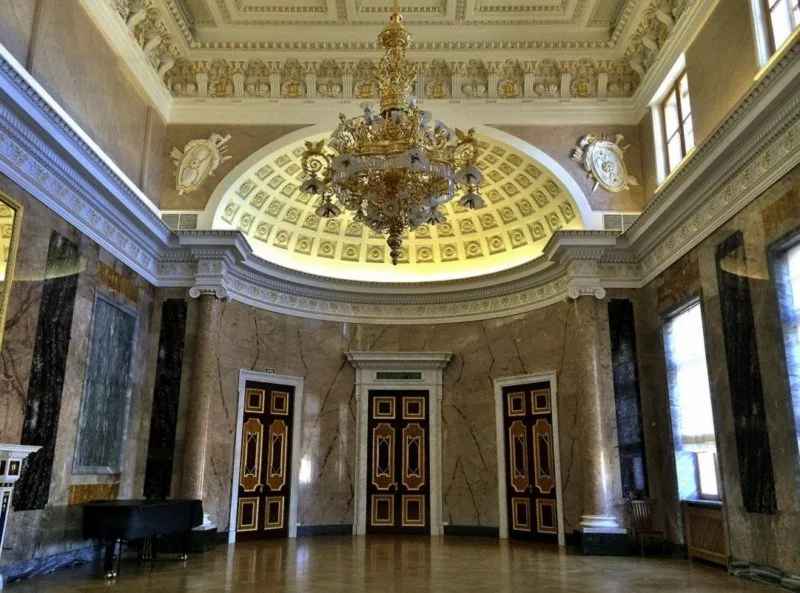
Today, Mikhailovsky Castle is part of the Hermitage Museum in St. Petersburg. Its grand halls have been restored and filled with art and imperial relics. Yet, beneath the modern lighting and scent of fresh paint, something lingers—a dense, invisible silence that settles over all who enter the room where Paul met his end.
As one old guard puts it, “At night, when the city grows quiet, you can feel the walls breathe. Footsteps echo across the wooden floors—belonging neither to this world nor the next.”
When Fear Becomes a Mirror of Time
Mikhailovsky Castle is not just a ruin steeped in violent history, but a psychological symbol of shifting power and existential dread. Here, architecture and metaphysics, politics and punishment, beauty and fear all converge—embodying a distinctly Russian idea: that every glory leaves behind its ghosts. Perhaps that’s why, more than two centuries later, the castle still lures visitors with its dark allure, reminding all who enter that history is shaped as much by ghostly echoes as by anything recorded in stone.
About the Author



No comments:
Post a Comment