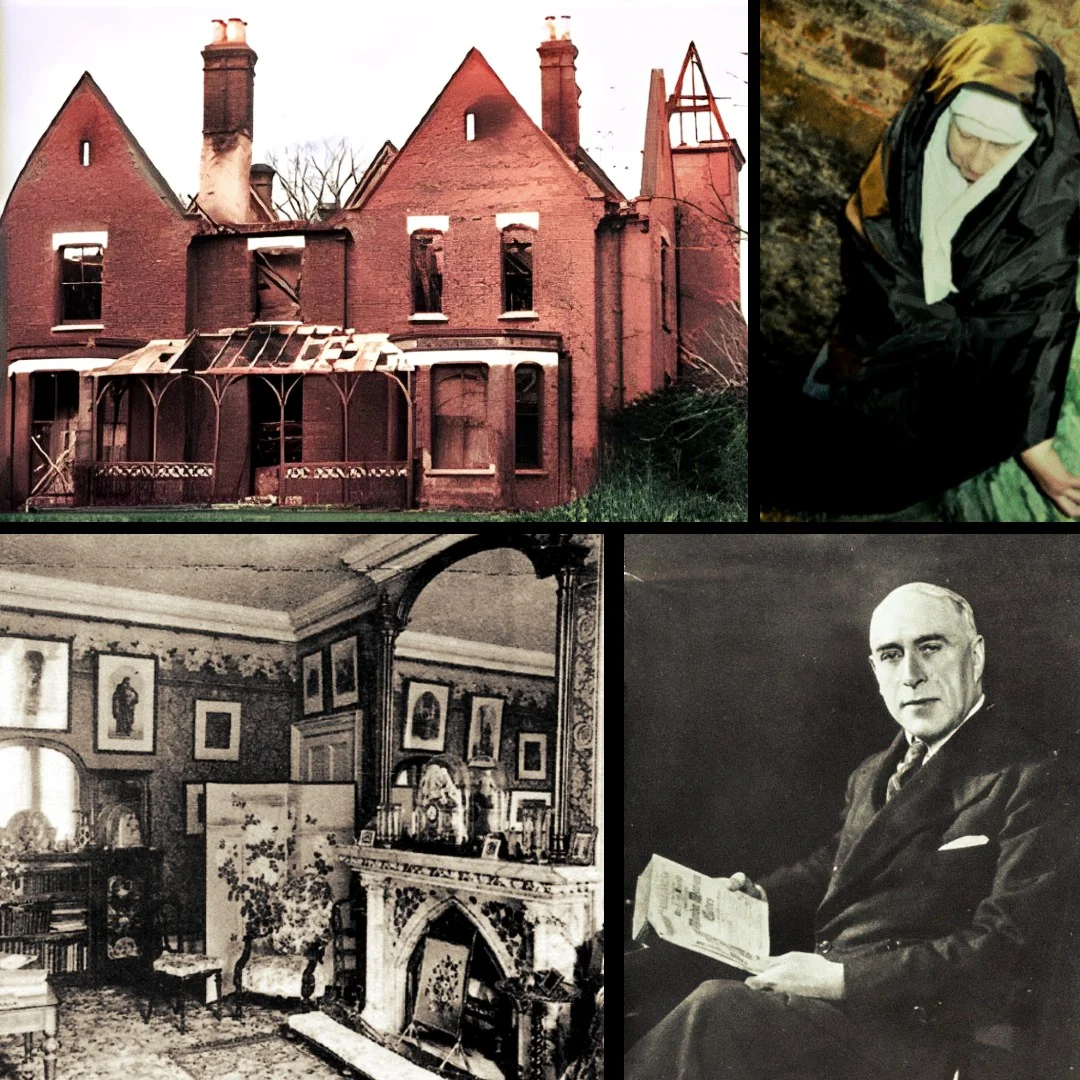
In the quiet village of Borley in Essex, eastern England, stood an unremarkable-looking house that became the most famous haunted residence in the world during the twentieth century: Borley Rectory. Renowned British paranormal investigator Harry Price once called it "the most haunted house in England."
It was more than just a Victorian Gothic building; it became the stage for dozens of mysterious stories that puzzled researchers and captivated the public and media for decades.
From Parish House to Legend
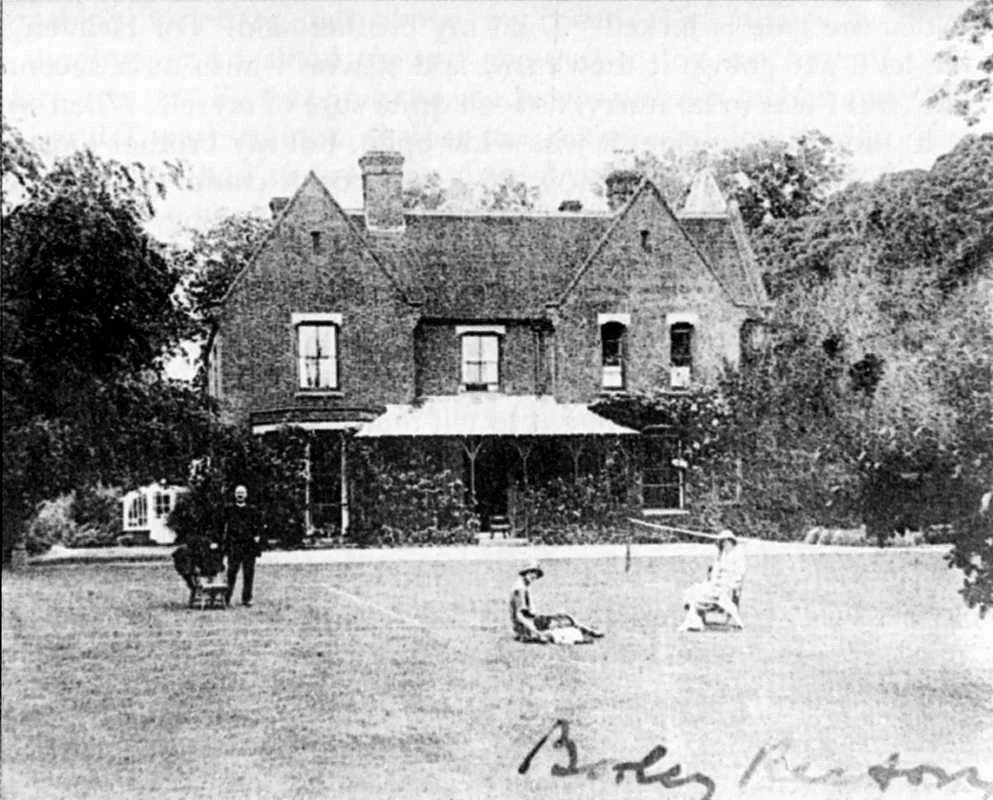
Built in 1862 as the home of the village rector, Reverend Henry Bull, and his family, the house was large and stately, with three floors and more than twenty rooms nestled amid quiet gardens locals called "The Nun's Walk." But strange tales soon sprang up: footsteps with no one there, bells ringing with no hand to move them, and lights flickering in sealed rooms.
Legend has it the land once held an old monastery, where a nun and a monk, lovers caught in a forbidden relationship, met a tragic end—the monk killed, and the nun reportedly bricked up alive inside a wall. Since then, the story goes, her spirit has been seen walking the Nun’s Walk at night, searching for peace.
The Bull Family: Where It All Began
The Bulls were the first to witness Borley’s mysteries. In 1900, four of the reverend’s daughters claimed to see a "ghostly nun" in the garden; as they drew near, the apparition vanished. The family also reported mysterious occurrences:
- Knocking on the walls with no visible cause.
- Church bells ringing when disconnected.
- Shadows flitting through the halls, and a phantom carriage drawn by horses at midnight.
Yet the family refused to leave. Reverend Bull believed the events were a "test from God."
Reverend Smith and the Daily Mirror
In 1928, Reverend Guy Smith and his wife moved in. Within weeks, they reported similar oddities: ringing bells, knocking, flashes of light in dark corridors. Mrs. Smith wrote to the Daily Mirror, asking for help from paranormal investigators. The press responded by sending famed ghost hunter Harry Price to investigate, marking a turning point.
Harry Price Arrives
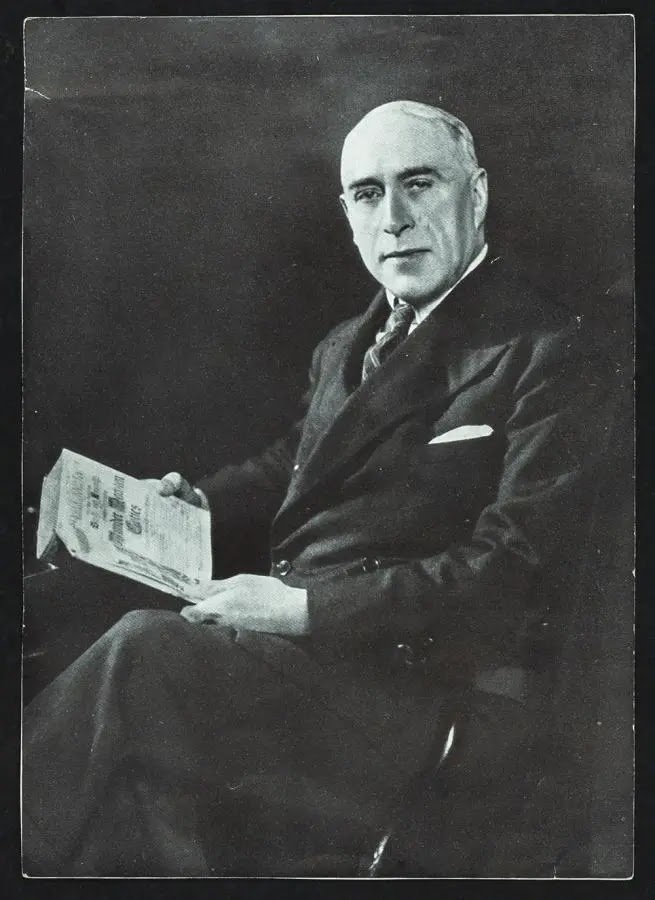
In June 1929, Price arrived with his equipment—cameras, microphones, heat recorders, and a team of volunteers. That very first night he described what he later called a "spiritual storm":
- Stones and glassware flying through the air.
- Papers spontaneously catching fire.
- Strange Latin whispers echoing in the halls.
Price published his findings, and Borley’s fame exploded. Curious crowds and the press flocked to the village as the stories multiplied.
Marianne Foyster and the Chalk Messages
The next residents, Reverend Lionel Foyster and his wife Marianne (1930–1935), became central to the strangest events. Chalk messages began to appear on the walls, pleading: "Marianne, please help me get out."
The writing would be erased, only to mysteriously reappear, as if the very walls were haunted. There were tales of voices calling Marianne’s name, bells ringing on their own, and objects moving without explanation.
The Fire and a Tragic End
In 1939, a mysterious fire broke out and gutted most of the house. A neighbor later claimed to have seen a "black shadow" slip out the windows moments before the flames erupted. The ruins remained until they were finally demolished in 1944. But the legend only grew stronger. Harry Price went on to publish two books: the first, "The Most Haunted House in England" (1940), and later "The End of Borley Rectory" (1946), presenting hundreds of testimonies and photographs as evidence of supernatural activity.
After Price: Skepticism and New Investigations
In the 1950s, the Society for Psychical Research revisited the case. Reviewing the evidence, they concluded that many events could be explained by natural causes or illusion. Some, like the wall writing, may have been the result of Marianne Foyster’s own distress. Critics argued Price may have enhanced certain tales for publicity. Despite this, the mystery was never conclusively closed. Independent researchers continued to claim inexplicable recordings of voices and shadows yet to be scientifically explained.
Borley Today: Ruins and Curiosity
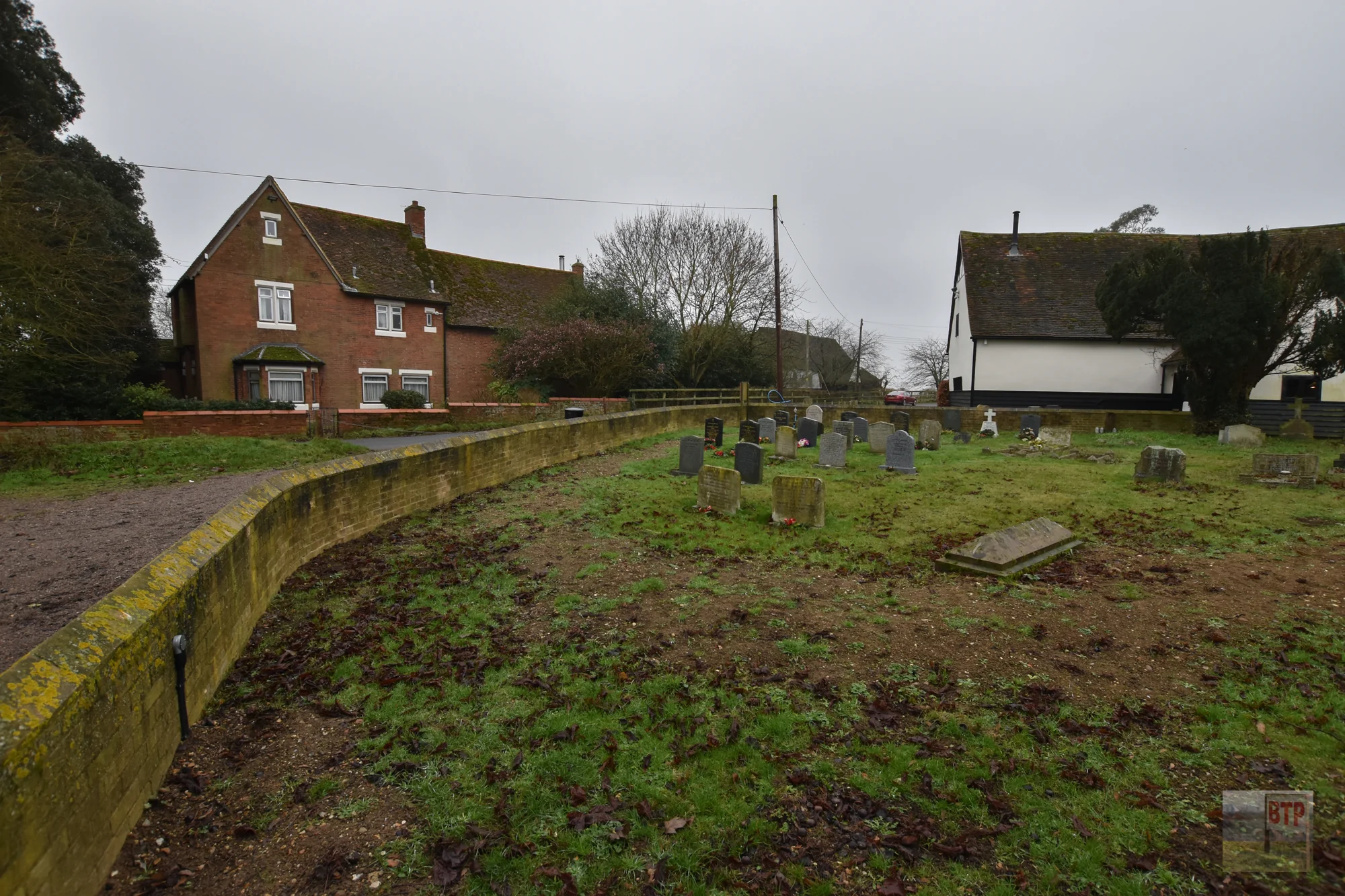
Today, the rectory no longer stands, but its site attracts paranormal enthusiasts from around the world. Visitors still describe hearing whispers near the old church, and sensors sometimes pick up faint magnetic disturbances. Some documentary crews even organize overnight investigations, hoping to glimpse the "nun’s spirit," said to appear each year on December 4th—the anniversary of her alleged death.
Borley Rectory is more than a ghost story; it’s a prime example of how mysterious events can transform into cultural legend. Were those sounds real, or simply psychological echoes from a time when the supernatural was all the rage during the Victorian era? The answer remains caught between science and faith, but one thing is certain: the memory of Borley Rectory is stronger than its walls ever were.
Even after the building vanished, its legend endures—reminding us that in facing the unknown, humans search for their inner ghosts before looking for them in the shadows.
Borley Rectory remains an iconic chapter in British paranormal history—not just for its fright factor, but for bridging science and imagination, fact and folklore.
Researchers still see it as the classic "haunted house" case, a symbol of the mysterious allure that lingers among its ashes… as if something there has never quite left.A Story Brought to the Big Screen
In 2025, the legend of Borley Rectory returned to cinemas with a British horror film. Borley Rectory : The Awakening Premiering in September, the film brings the chilling tale to life in a dark, dramatic adaptation inspired by iconic haunted house stories.
The film follows a reverend and his family as they encounter mysterious apparitions and shadowy figures in their home, where family tragedy intersects with the legend of the trapped nun. While the movie is a work of creative fiction, its roots lie in the real events that once earned Borley Rectory the title of 'the most haunted house in England.'
About the Author



No comments:
Post a Comment