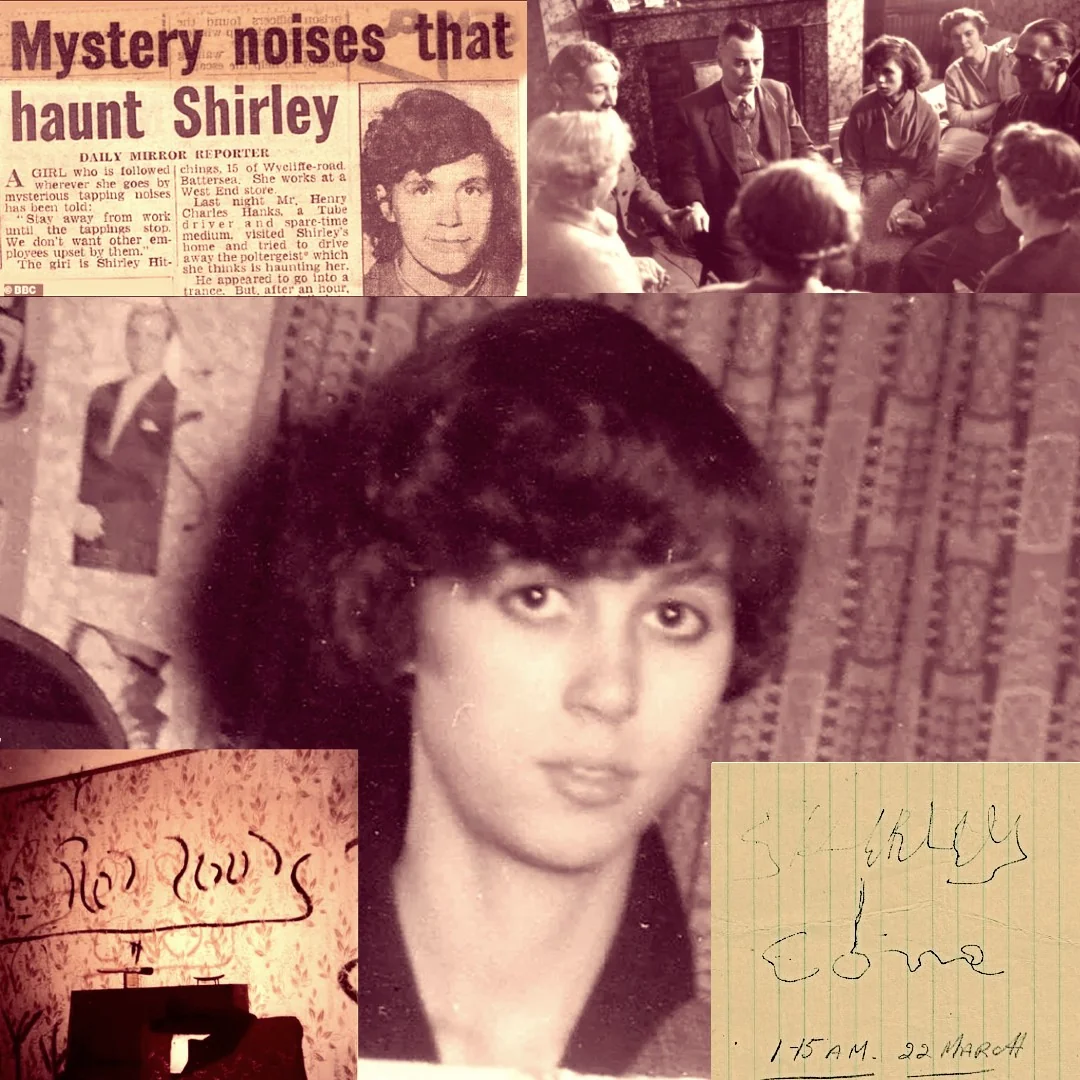
Ghost stories exist all over the world, but few have captured the public’s imagination—or their fears—quite like the tale of the Battersea Poltergeist in London.
This true story, later turned into movies, radio programs, and documentaries, centers on the Hitchings family, who endured one of the longest and strangest episodes of paranormal activity in the 20th century.
The Mystery Begins: A Key Without a Door
One morning in January 1956, 15-year-old Shirley Hitchings woke up to find a small silver key on her pillow.
The key looked expensive, but it didn’t fit any lock in their house at 63 Wycliffe Road, Battersea, South London.
The key soon disappeared as mysteriously as it had appeared. The family had no idea this was just the beginning of a frightening saga that would last twelve years.
Noise Louder Than Bombs
Shirley later recalled, “I lived through the air raids in World War II, and the sound was identical…it felt like bombs were falling all over again.”
That night, the house echoed with deafening bangs from deep within, followed by eerie scratching noises coming from the furniture. Neighbors thought Shirley’s father, Wally, was having a fit of rage and even filed complaints about the noise, but the family was genuinely terrified and had no explanation.
Objects Flying Through the Air
After three weeks of restless nights, the activity escalated. Kitchenware started floating and smashing into walls, gloves slapped Shirley’s father as if worn by invisible hands, slippers slid across the room on their own. It was as if something unseen had moved in.
The Night Attack
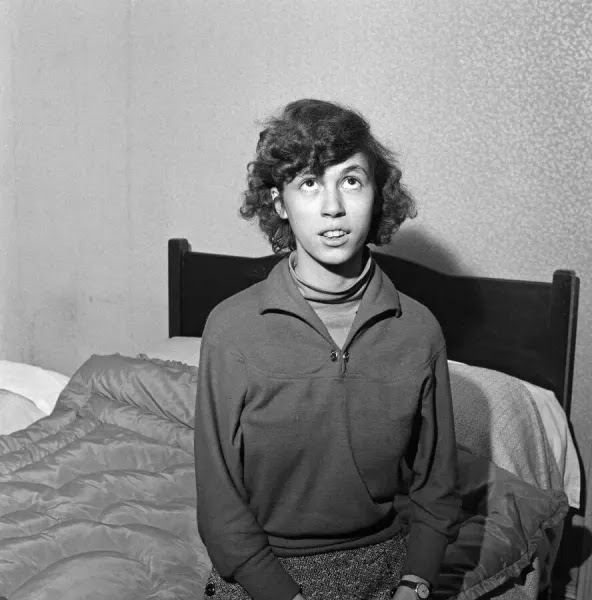
One night, the family rushed to Shirley’s room to find her floating above her bed, her back arched, while invisible forces yanked away her sheets. They tried to pull her down, as if engaged in a tug-of-war with a presence they couldn’t see. “I was screaming and crying, feeling like I was losing my mind,” Shirley said. “My Catholic grandmother was convinced I was possessed by the devil.” After that night, they gave the entity a name: ‘Donald’—after the hot-tempered cartoon character, Donald Duck.
Media Frenzy and the Ghost Hunter
News of the haunting spread quickly through British newspapers, and soon the family was the center of a media storm. Paranormal investigator Harold Chibbett (known as ‘Chibb’) took on the case, convinced this was a textbook example of Poltergeist Phenomena , Poltergeist ‘Poltergeist’—a disruptive spirit often associated with teenage girls. But Chibbett’s involvement only made Shirley more afraid. “This is it…we’re all going to die,” she confided.
The Exorcism That Reached Parliament
Shirley’s father enlisted a spiritual medium named Harry Hanks to conduct an exorcism. However, police stormed the house following an anonymous tip about ‘witchcraft and black magic’ and stopped the ritual before it began. The incident made headlines and was even discussed in the House of Commons—the first time a British parliament debated a ghost case.
Messages From Beyond
Chibbett suggested trying to communicate with “Donald,” much like a Ouija board. They laid out alphabet cards, and the entity knocked when the correct letter was called out. The communication progressed to handwritten messages and strange symbols, including the fleur-de-lis. Each morning, dozens of notes awaited the family. The first read simply: “Shirley, I have come.”
A Startling Claim
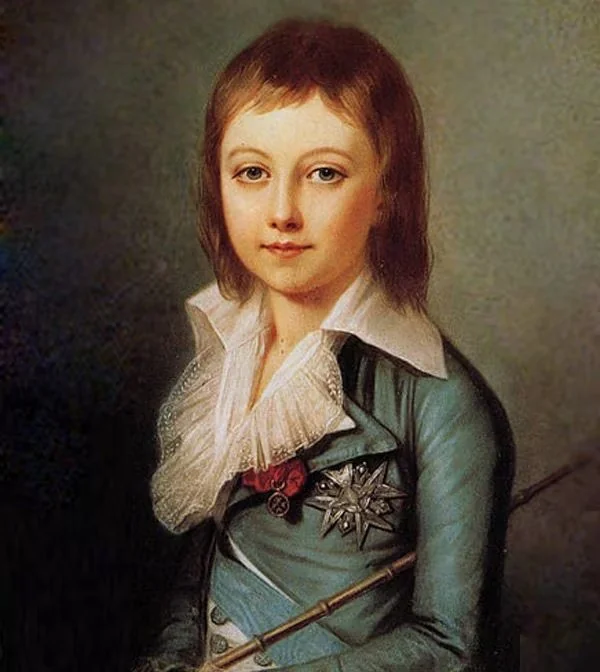
The entity claimed to be Louis-Charles, son of King Louis XVI and Marie Antoinette, long rumored to have died as a child in prison during the French Revolution. ‘Donald’ insisted he escaped and was now reaching out from beyond the grave.
Some messages contained historical details about the prince that only experts could have known, which baffled researchers—although handwriting analysis pointed to Shirley as the author.
Fires and Threats
In the spring of 1956, ‘Donald’ turned violent: fires began erupting throughout the house, despite the family locking away all matches. Shirley’s father suffered mysterious claw-mark burns. The spirit tried to push grandmother Ethel down the stairs and spoke to Shirley in her late mother’s voice, driving Ethel into a breakdown that led to her death.
The disturbances escalated. ‘Donald’ even threatened to harm British actor Jeremy Spenser unless Shirley agreed to meet him—shortly after, Spenser had a mysterious accident.
Haunted Beyond the House
The family thought their ordeal had ended after Ethel’s death, but the haunting followed Shirley outside. At her dressmaking job, scissors vanished suddenly and she was labeled ‘the haunted girl’—eventually costing her the job. Even during a television appearance on BBC, the familiar banging sounds echoed through the studio.
Later, Shirley reflected, “It ruined my life. It stole my teenage years. By the time I turned 21, I wasn’t a normal person anymore.”
Donald’s Final Departure
In 1964, the family moved to a new home, but the ghost followed them. The disturbances finally ended in 1968, when ‘Donald’ left a farewell message saying he was gone forever.
Shirley said, “For my mother, his leaving was like losing a friend. For me and my father, it was pure relief.”
After twelve years of terror, the story ended just as it began—with an unexplained silence.
From Story to Screen
Later, Blumhouse Television and Maniac Productions acquired the rights to adapt the story into both a drama and a documentary series, following the success of a BBC podcast BBC titled The Battersea Poltergeist.

About the Author



No comments:
Post a Comment