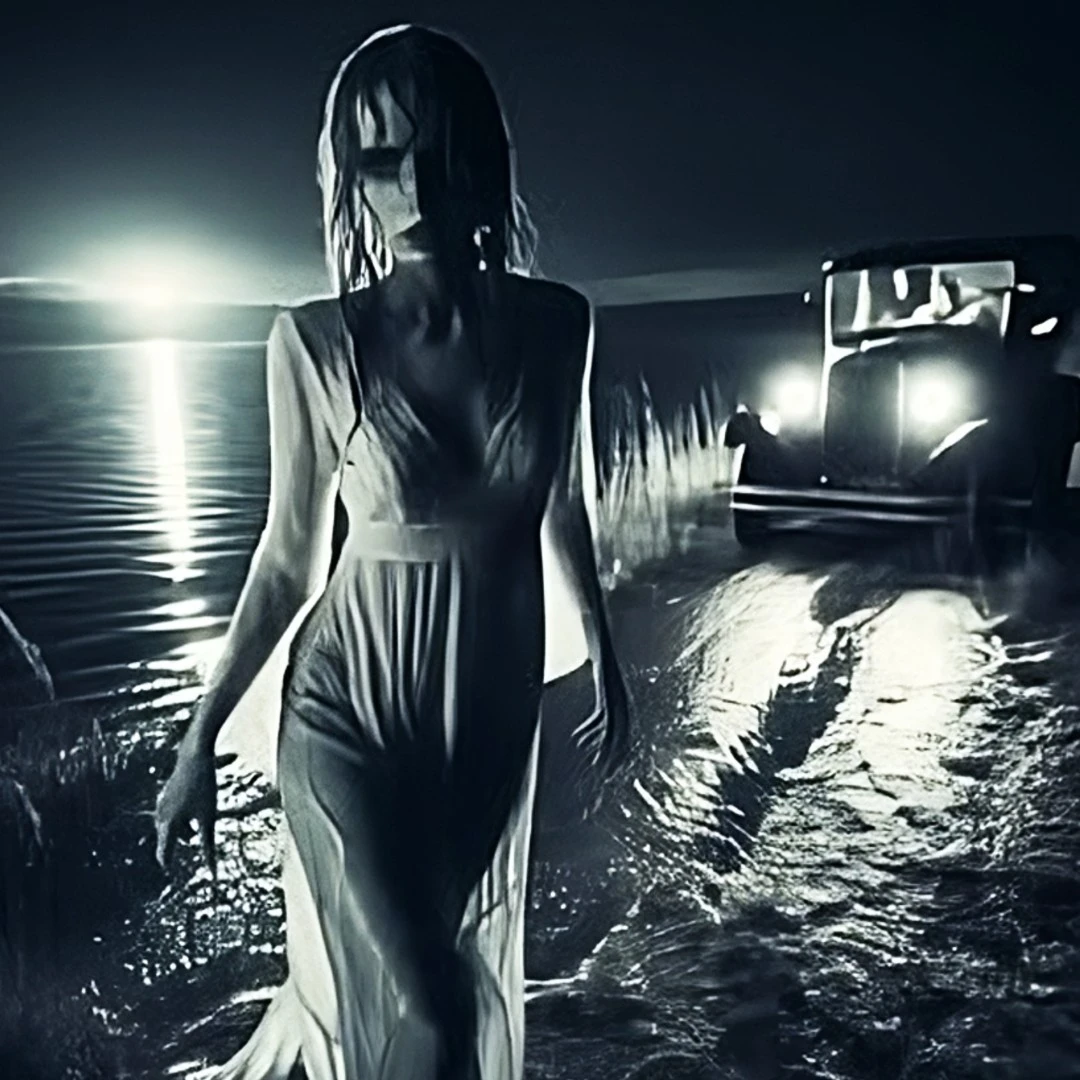
Amid the sprawling greenery of Golden Gate Park in San Francisco, in a place that feels peaceful at first glance, hides one of the city’s oldest and most famous urban legends: the White Lady of Stow Lake The White Lady of Stow Lake.
What began as a small item in a local newspaper over a century ago has become a deeply rooted part of San Francisco’s collective memory—and one of its most talked-about ghost stories. For more than one hundred years, locals and visitors alike have shared the tale of a woman endlessly searching for her lost child.
The Lake: At the Heart of the Mystery
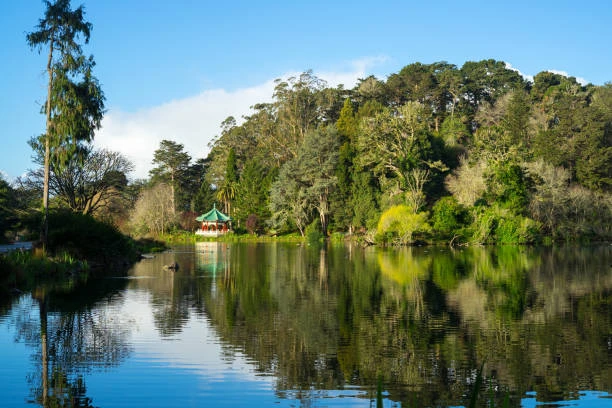
Stow Lake lies at the eastern end of Golden Gate Park, surrounded by dense trees, winding paths, and old stone bridges. Today, it's an idyllic spot for a stroll, but in the late 19th and early 20th centuries, the mood was very different: repeated suicides, reports of strange nighttime voices, shadows moving near the water, and chilling accounts of unexplained drownings. All these set the perfect backdrop for a legend to take shape.
The Beginning: One Newspaper Story Starts It All (1908)
On January 6, 1908, the San Francisco Chronicle published a curious piece about a man named Arthur Pigeon. He’d been stopped by police for speeding, but insisted he was fleeing something "not human." He claimed to have seen a tall woman—long blond hair, barefoot, in a white dress—suddenly appear on the shore of Stow Lake before vanishing into thin air. This was the first documented mention of what would become San Francisco’s most famous ghost.
The Community’s Story: A Mother’s Desperate Search
After 1908, all kinds of theories emerged, but most centered on one core narrative: A mother was walking with her child by the lake. Distracted while talking to another woman, she lost track of the stroller, which rolled into the water. Her child drowned. In despair, the frantic mother dove into the lake herself. According to legend, her spirit has never rested since that day.
Over time, versions of the story varied: in some, the child falls from a boat; in others, both mother and child drown together. The darkest versions claim the mother killed her child before taking her own life. Despite the variations, the image that endures is always the same—a pale woman wandering the lake shore, searching for her lost child.
A Century of Sightings
Over the past 115 years, residents and visitors have reported numerous sightings and strange encounters, with several common threads emerging:
1) The "White Lady" Appears by the Water
She is said to wear a white or water-soaked dress, her long hair tangled, sometimes barefoot, sometimes dripping wet.
2) Hearing: "My child... where is my child?"
Many versions claim that the ghost is more often heard than seen.
3) The Pioneer Mother Statue—Pioneer Mother Statue
Some stories say the nearby statue moves or its expression changes at night, especially when bathed in moonlight. This detail was added later to link the legend to motherhood.
4) The "Summoning" Challenge
A more recent trend suggests that if you stand by the lake at night and say three times:
"White Lady, I have your child,"
"White Lady, I have your baby"
She’ll appear before you. Naturally, there’s no evidence for this—just stories passed around on San Francisco ghost tours.
Historical Evidence... Missing?
Although the legend is famous, careful research runs into a major obstacle: there are no official records of any such mother-and-child tragedy.
It’s also worth noting that the 1906 San Francisco earthquake and ensuing fires destroyed countless police and city records. Many files on drownings and suicides from that era were lost forever.
So while there’s no proof the tragedy happened, there’s also no way to say for certain that it didn’t. The story exists in a gray area between missing history and overwhelming local folklore.
Why Has This Legend Endured? Several factors have anchored this story in the city’s imagination:
1) The Park’s Atmosphere
Thick fog, water, and woods create a perfect setting for supernatural tales.
2) The Emotional Power of Lost Motherhood
The loss of a child is universally devastating, making the story deeply resonant and moving.
3) Real Suicides Did Happen in the Park Back Then
Even if the White Lady wasn’t one of them, the park’s real history gave the story an air of believability.
4) Early Media Impact (1908)
A single short article from the pre-digital era could have a massive, lasting effect.
5) How the Story Has Evolved Over Time — Folklore Evolution
Like any urban legend, the details shift to reflect each generation’s fears.
Is the ghost real?
From a research perspective: There’s no concrete evidence of the ghost or a drowning ever taking place, but reports from locals are numerous and persistent. The story has endured for over a century—which in itself shows how deeply rooted it is in the community’s imagination.
From a supernatural angle, it’s possible the site witnessed a tragic event that went unrecorded, or that the ghost is a manifestation of the area’s lingering sorrow—or maybe it’s just a psychological effect, like seeing shadows in the mist (Pareidolia).
Where legend meets reality
The Woman of Stow Lake isn’t just a spooky tale for park visitors—it’s a prime example of how an uncertain, simple story can define an entire city’s folklore, spreading through local media, eyewitness accounts, and ghost tours, becoming popular tradition even without definitive historical proof.
Maybe no woman and child ever drowned in the lake. Maybe they did. Maybe her ghost truly appears on foggy nights—or maybe it’s just human imagination fueled by the magic of the place.
What’s certain is that the Stow Lake ghost legend remains one of California’s most famous supernatural stories, and a fascinating example of how popular storytelling shapes a place’s identity.
About the Author



No comments:
Post a Comment